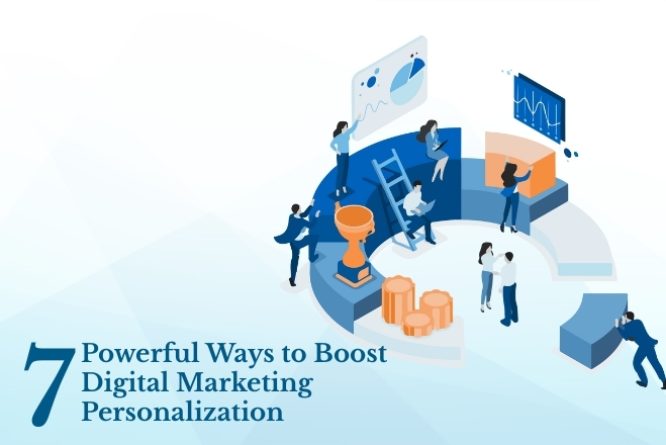
Years ago, marketing was simple. Everyone got the same ad or email. But that doesn’t work anymore. Today, people want personalized experiences, often referred to as digital marketing personalization.
Marketing has evolved from simple demographics (such as age or location) to more advanced personalization based on behavior, interests, and timing. Now, brands utilize data-driven tools and AI to adjust messages in real-time dynamically.
This shift improves the overall customer experience and increases sales. McKinsey reports that businesses that excel at personalization earn 40% more revenue than those that do not.
For startups and growing brands, personalization can be a game-changer. It’s now a key part of most digital marketing strategies for startups.
Let’s break down the most effective ways to personalize your marketing in 2025.
What is Digital Marketing Personalization?
Digital marketing personalization involves displaying the most relevant message to the right person at the right time. Instead of sending a single message to everyone, brands now use data to tailor their messaging to each customer.
Let’s say you visit a website, browse a few products, and leave. The next time you visit, you may see product suggestions based on your previous viewing. That’s personalization. It also shows up in emails that include your name, recommend products based on your purchase history, or offer deals that match your interests.
Companies utilize tools such as artificial intelligence, customer data platforms, and automation to achieve this. These tools collect details such as your browsing history, past orders, and even your interactions on social media.
And customers expect it. According to Salesforce, 66% of people expect brands to understand their needs and preferences. That’s why personalization has become a must-have, not just a nice-to-have.
When done right, digital marketing personalization makes the customer feel valued and special. It also improves business results—people are more likely to make purchases, engage with the brand, and return.
9 Powerful Ways to Boost Digital Marketing Personalization For Company Success
Leveraging AI for Customer Segmentation
1. Predictive Analytics and Behavioral Insights
AI tools can analyze how customers behave online—what they click, search for, or purchase. This helps brands guess what the customer might do next. That’s called predictive analytics.
For example, if someone always buys sports gear, AI might suggest similar products during their next visit. It examines their browsing history, purchase history, and social media interactions to determine what to show next.
This level of personalization is made easier with a customer data platform. These platforms bring together all the information in one place.
For many businesses, using AI is one of the smartest marketing tasks to outsource, especially when you want fast results without building a vast in-house team.
2. Micro-Segmentation for Targeted Campaigns
Micro-segmentation means dividing your audience into smaller, detailed groups. Instead of sending one message to all young people, you might divide them by what device they use, how often they visit your site, or even the words they use in reviews.
These small details help make your message super specific. People feel like you genuinely understand them, which improves customer engagement.
AI helps create these tiny groups quickly and accurately. This is especially helpful in a world moving toward cookieless marketing strategies, where tracking users is becoming increasingly challenging.
Creating Dynamic and Personalized Content
3. AI-Driven Content Generation
AI tools can now generate content as well. Tools like ChatGPT, Jasper, or Copy.ai can create blogs, product descriptions, and ad copies based on customer data.
This makes it easy to create messages that feel personal, like emails with custom offers or landing pages with personalized product recommendations.
It’s fast, cost-effective, and ideal for startups seeking to scale quickly with effective digital marketing strategies.
4. Real-Time Personalization Across Channels
Real-time personalization involves adjusting your content based on what someone is doing at the moment. For example, if someone leaves items in their cart, your website might show a special discount the next time they visit.
This works across channels—email, mobile, websites, and even chat. When all platforms show the same personalized message, the experience feels smooth and relevant.
A brand like Amazon does this well by updating the homepage based on what you viewed or added to your cart. This strategy helps deliver personalized experiences that turn visitors into customers.
And it’s a great strategy when you’re doing PPC for startups and need to make every click count.
Case Studies of Successful Personalization Strategies
5. Meta's AI-powered Ad Creation
Meta (Facebook) utilizes AI to create ad versions tailored to different audiences. It tests headlines, images, and buttons to see what works best.
This helps small businesses create high-quality ads without hiring big teams. AI makes their ads feel personal and more engaging.
This type of smart advertising is also part of a comprehensive plan and acts a benefit of SEO for startups.
6. TikTok's Insight Spotlight Tool
TikTok’s AI tool reveals how users engage with content. It highlights when, where, and how people engage. With this data, brands can make better choices.
This tool enhances people's perception of the brand and facilitates the creation of more effective marketing efforts.
It also supports a data-driven approach, where decisions are based on actual data, not assumptions.
7. Adobe's AI Agents for Marketing
Adobe now offers AI tools such as Agent Orchestrator and Brand Concierge. These tools help companies automate tasks such as sending emails or responding on social media.
They also adjust messages on the spot based on how a customer acts. This means better, faster personalization efforts.
And because SEO is part of the overall picture, these tools also help improve SEO results for Startups.
Measuring ROI on Personalized Campaigns
8. Key Performance Indicators (KPIs)
To determine the effectiveness of your personalization, you need to track the relevant metrics. These include:
- Click-through rates
- Time spent on page
- Bounce rate
- Conversion rate
- Repeat orders
According to Statista, 63% of marketers believe that the most significant benefit of personalization is increased conversions.
Use tools that connect all your customer data. A customer data platform is a good investment here. It helps you track what’s working and what’s not.
You can learn more about measuring success in our free 2025 digital marketing audit guide.
9. Continuous Optimization
Personalization isn’t something you set once and forget. It needs updates. Continue testing your emails, landing pages, and offers to determine which ones perform best.
Listen to your customers. If engagement drops, it’s a sign that something needs to change.
Continue to refresh your content with new customer data, trends, and behavioral patterns. This helps you stay relevant and engaging.
Conclusion
In 2025, digital marketing personalization will no longer be optional. People expect brands to know who they are and what they want.
Utilizing tools such as AI, automation, and data tracking enables you to create personalized content that resonates with people. Whether it’s a product suggestion or a perfectly-timed message, it all adds up to better results.
The brands that succeed will be those who continue to improve, learn, and deliver value that feels personal and real.
Experience Digital Marketing Personalization With BolsterBiz
At BolsterBiz, we help businesses grow with smart, data-driven, and personalized digital marketing services and strategies. From marketing automation to custom campaigns and AI-powered insights, we make sure your brand connects with the right people in the right way.
Whether you're a startup or a scaling business, our experts craft strategies that enhance customer engagement, drive conversions, and maximize ROI.
Explore our range of services and see how we bring digital marketing personalization to life. Let’s build something personal, together.
Schedule a Free SEO Audit today
FAQs about Personalized Digital Marketing
1. What is hyper-personalization in digital marketing?
Hyper-personalization involves using AI and real-time data to deliver more relevant content, products, and service information to each user.
2. How does AI enhance customer segmentation?
AI analyzes vast amounts of data to identify patterns and behaviors, allowing marketers to create more precise and dynamic customer segments.
3. What are some tools for AI-driven content creation?
Platforms like Adobe’s AI agents and Meta’s automated ad creation tools enable businesses to generate personalized content efficiently.
4. How can businesses measure the ROI or personalized campaigns?
By tracking KPIs such as conversion rates, customer engagement, and sales metrics, businesses can assess the effectiveness of their personalization strategies.
5. Are there any challenges associated with personalization at scales?
Challenges include data privacy concerns, ensuring content relevance, and maintaining consistency across channels.