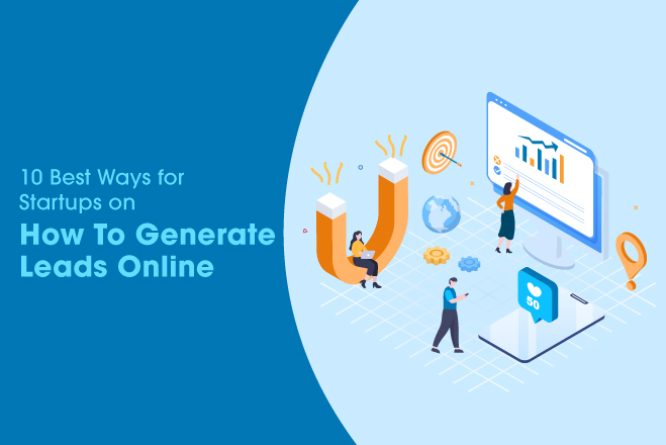
Alright, let’s be honest, figuring out how to generate leads online isn’t as simple as people make it sound. Every startup wants new customers, but man, the chase can feel endless sometimes. You try ads, you post on LinkedIn, you write blogs, and still, those leads just trickle in. Sound familiar?
Here’s the thing, though: online lead generation is where the real game happens now. According to a McKinsey study, companies that focus on digital lead strategies achieve around 30% more growth than those still using old-school methods. That’s a big difference, especially for startups running lean.
Most folks think you need huge budgets to make this work. Nope. What you really need is clarity, knowing your audience, hitting the right channels, and creating content that actually speaks to people’s pain points. It’s about timing, testing, and being patient enough to let the system work.
If you’ve been wondering where even to start, don’t worry. In this piece, we’ll go through practical stuff, things that actually help startups generate leads online without wasting money.
By the end, you’ll see that getting leads isn’t about luck or fancy jargon. It’s about small, smart moves that build up over time.
Let’s get started with the basics first.
What is B2B Lead Generation?
B2B lead generation is about finding other businesses that might need what you sell. Not just any business, though, the right ones. The ones that can actually benefit from your product or service.
It’s kind of like networking, but with purpose. You’re not trying to collect random contacts; you’re trying to build genuine interest from potential clients. A small IT firm might reach out to SaaS startups that need technical support. A design agency could look for eCommerce stores wanting better branding. It’s that simple and that specific.
The goal isn’t to throw out cold emails and hope for luck. A good lead generation strategy focuses on learning about your target audience, solving their real problems, and staying consistent. Some people call it “slow marketing,” but in truth, it’s clever marketing.
And here’s the thing: once you get the hang of how to generate leads online, you realize it’s not just about selling. It’s about helping. You connect, build trust, and over time, those conversations turn into business.
However, outsourced lead generation works better than in-house. Leaders can always choose to outsource for better efficiency. As per reports, outsourcing lead generation is 43% more efficient than generating leads in-house.
Also Read: The Complete Guide to Understanding What is Customer Support Outsourcing
What is Online Lead Generation?
Online lead generation is the process of attracting people or businesses through digital platforms and turning their interest into potential sales. In simple terms, it is how brands find and connect with their audience online.
For startups, this approach is practical and budget-friendly. You no longer have to rely on cold calls or big events. Everything happens online. People search, compare, and decide based on what they see and read. When your brand appears with helpful content, targeted ads, or clear calls to action, that is where trust begins.
One of the biggest advantages of online lead generation is that it can be measured and improved quickly. You can track your conversion rates, understand which blog posts perform better, and test campaigns across channels like social media and search engine optimization (SEO). Over time, this helps refine your overall lead generation strategy.
If you want to get started with practical steps, you can check out 10 Best Digital Marketing Strategies for Startups
How to Generate Leads Online? 10 Best Ways for Startups to Follow
1. Referral and Word of Mouth
You know, nothing really beats a good referral. Seriously. People trust what others say more than any flashy ad you could run. For startups, this is pure gold. It doesn’t cost much and often brings clients who actually care.
Here’s the thing. After you finish a project or deliver a service, just ask. Ask politely if your happy clients can mention you to someone else who might need your help. A simple thank you, a small incentive, or even a casual shoutout works. And don’t overthink it — it’s about genuine connections, not pushing.
Partnerships help too. Say you run a small software firm. You could team up with another business that complements yours and refer clients to each other. Even a short LinkedIn post or a casual social media message can spark interest. Slowly, these little efforts build a steady stream of potential clients.
2. Pay-Per-Click Advertising (PPC)
Paid ads can feel overwhelming at first. I get it. But they work if you do them right. With PPC, you can reach exactly the people or businesses who actually need what you offer. And yes, even small budgets can make a difference.
Start simple. Keep your message clear. Make your headline pop. And don’t forget strong calls to action. The goal isn’t just clicks — it’s real people who might turn into customers. Retarget those who didn’t act the first time. It makes a difference.
The cool part? You can track everything. See who clicks, who signs up, what works, and what doesn’t. Combine this with search engine optimization seo, and you have a mix of short-term wins and long-term visibility. It’s like having the best of both worlds.
To mix referrals with other strategies, check out our read on PPC for Startups.
3. Blogging and Content Creation
Okay, let’s be real. Blogging can feel like a lot of work, especially when you’re running a startup. But here’s the thing — it works. When you create content that actually helps people, it attracts the right audience naturally. People read it, share it, and slowly, you start building trust.
Start with topics your potential clients care about. Think about their pain points, the questions they ask, and the struggles they face. Then, create blog posts or articles that give real answers. It doesn’t need to be fancy. Honest, clear, and helpful content beats complicated marketing jargon every time.
Blogging also helps with search engine optimization seo, which means your content can show up when people are actively searching for solutions. Over time, this drives more leads without paying for ads. And don’t forget to sprinkle in strong calls to action — inviting readers to learn more, sign up, or get in touch.
It’s a slow process at first, but the payoff is huge. A steady stream of people discovering your content is basically free lead generation.
For more strategies that complement blogging, check out Benefits of SEO for Startups.
4. Social Media Marketing
Honestly, social media can be confusing at first. You post stuff, hope someone notices, and sometimes… nothing happens. But when you do it right, it’s magic. Startups can reach potential clients without spending tons of money.
The trick is simple. Focus on where your audience actually hangs out. LinkedIn works really well for B2B. Instagram or Facebook might make sense if your service or product fits. Don’t worry about being perfect. People love honesty. Share real stories, small wins, or even mistakes. It makes you relatable.
Consistency is what counts. A post here or there won’t do much. You need to engage, reply, and join conversations. That’s how real leads start noticing you. Social media works best when combined with lead nurturing and creating content. Alone, it’s okay, but together, it really drives results.
It might feel slow at first, but those little efforts stack up. Someone who liked your post today could become a paying client next month.
For a smarter approach, check out AI-Driven Marketing Strategies.
5. Email Marketing and Lead Nurturing
Emails are not dead. Done right, they work like magic. The trick is to focus on helping, not selling. Send tips, updates, or guides. Make them personal. People notice.
Segment your audience. Treat existing customers differently from prospects. Track opens, clicks, and replies. It tells you what works.
It’s a slow process, but small touches build trust. Leads eventually convert if you’re patient. And trust me, one well-timed email can start a conversation that turns into a sale.
For more insights, check What is Performance Marketing
6. Webinars and Online Workshops
Webinars feel a bit intimidating at first. But they are actually super effective. Startups can connect with many potential clients at once. And the best part? It feels personal.
Pick a topic that solves a real pain point. Don’t sell right away. Teach something useful. Share insights or tips. People pay attention when they get value first. Later, they will care about your product or service.
Promote your webinars on email, social media, or even your website. Encourage questions — it makes it more interactive. Afterward, follow up with participants. That’s often when leads convert.
Small, low-cost efforts like this build authority and credibility. Start simple, and the results will grow over time.
For strategies that complement webinars, explore Free 2025 Digital Marketing Audit Guide.
7. Search Engine Optimization (SEO)
SEO can feel like a mystery sometimes. But it’s one of the most reliable ways to generate leads online. The idea is simple: make your content easy to find.
Start with keywords your audience actually searches for. Create content that answers questions clearly. Even small improvements like better headings or meta descriptions help. Over time, your pages naturally rank higher and attract traffic.
SEO is not instant. But it’s consistent. Combine it with email, social media, or paid ads for maximum effect. Adding valuable content regularly makes your startup appear credible and trustworthy.
Small efforts now pay off later. SEO builds a foundation that keeps giving results without extra spend.
8. Paid Social Advertising
Paid social ads can feel risky if budgets are small. But targeting the right audience makes a big difference, resulting in converting leads. Even small campaigns can bring qualified leads.
Start simple. Use clear messages and strong calls to action. Retarget visitors who didn’t act the first time. Social ads work best when combined with other strategies like content and email.
It’s about testing, learning, and adjusting. Don’t overthink it. Done right, paid social can quickly bring sales leads that matter.
For modern approaches, see Cookieless Marketing.
9. Guest Posting and Collaborations
Guest posting is underrated. Writing for other blogs or collaborating with other startups can help you reach potential clients who might never find you.
Pick blogs with a similar audience. Share insights or tips. Don’t sell too much. Focus on valuable content. Over time, readers start recognizing your brand and may visit your website or sign up.
Collaborations also work. Partner on webinars, guides, or joint campaigns. Small cross-promotions on social media can also bring new leads. Do it regularly, and engagement grows naturally.
For expanding reach, check Marketing Tasks to Outsource.
10. Interactive Tools and Quizzes
Interactive content is fun and surprisingly effective. Quizzes, assessments, or tools get people involved. And when they participate, you learn about them too.
For example, a quiz can help someone discover which of your services fits their needs best. People love personalized results. It makes them pause and often share their info. That’s your chance to capture a lead.
It also gives insights. You see what people care about and how they respond. Combine this with a good lead generation tool, and you get both engagement and data.
Final Thoughts
So, there you have it — 10 ways for startups to learn how to generate leads online. Honestly, it can feel overwhelming at first. There are so many channels, strategies, and tools. But the key is to start small, focus on what works for your audience, and keep learning as you go.
Every startup is different. Some will find that social media drives the most interest. Others might see amazing results from email marketing or webinars. The point is to stay consistent and keep experimenting. Small efforts add up faster than you think.
Digital marketing is no longer optional. To survive and grow, startups need to be visible, approachable, and helpful online. Whether it’s blog posts, PPC campaigns, or interactive tools, each tactic adds value and builds trust.
And if you feel stretched for time or expertise, outsourced digital marketing services can help. They bring experience, proven strategies, and a fresh perspective. That way, you can focus on building your business while leads keep coming in.
Frequently Asked Questions (FAQs) about Online Lead Generation
1. What is the easiest way for startups to generate leads online?
The simplest way is referrals and word of mouth. Ask happy clients to share your services with others. Small actions can bring high-quality leads.
2. How long does it take to see results from online lead generation?
It depends on the strategy. Paid campaigns can give results fast. Blogging, SEO, or social media may take weeks or months. Consistency is key.
3. Can a small budget work for lead generation?
Absolutely. Even small investments in PPC, social media, or email marketing can bring qualified leads. It’s all about targeting the right audience.
4. Do I need all strategies at once?
Not really. Start with 2–3 tactics that fit your audience and resources. Test, learn, and scale gradually. Focus beats spreading too thin.
5. How does outsourcing help with lead generation?
Outsourcing brings expertise, saves time, and allows startups to run campaigns professionally. It ensures steady leads while you focus on your core business.