In the world of smartphones, chatbots, and social media, you might wonder if customers even call for queries nowadays. Well, yes, customers still love to call, and the phone is the most common channel they use to resolve their queries with a company.
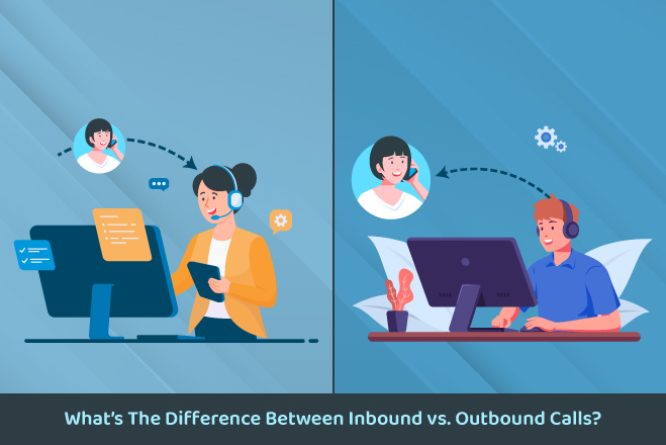
But do you know the difference between inbound vs. outbound calls? These are different types of calls used to contact customers or vice versa.
According to a Forrester study, around 73% of customers use voice support for customer service. Hence, voice support or phone support is the most used communication channel customers prefer. Around
Thus, if you haven’t invested in outsourced inbound and outbound call centers, you must now. Since delivering top-quality CX in-house can be challenging and lead to burnout.
But what is the difference between inbound and outbound call center services? Thus, this blog will explain in detail the difference between them, their pros and cons, and how to choose the right contact center for yourself. This will help you deliver the best customer experience and satisfaction.
| Key Takeaways |
|
What are Inbound Calls or Inbound Call Centers?
You are the leader running a company that is either product or service-based. Now, imagine this: you receive a call from one of your customers or a potential lead. It could be for a consultation or a product query, such as returns, refunds, billing, or tech support (depending on the caller's needs). This is what we term as inbound calls.
Basically, a business process outsourcing (BPO) company handling customer queries, information requests, or customer support is an inbound call center service. Now, providing robust customer support is imperative for good customer service. You must provide real-time solutions to the customers.
Inbound calls are spontaneous. It needs prompt resolving skills and quick answering as their questions arise. Thus, with customer support outsourcing, you get access to trained agents who know your brand and have probing skills.
Some popular examples of inbound support include:
- Ecommerce inquiries about orders, refunds, and returns
- Healthcare appointments and billing
- Overdraft and payment issues for banking,
- Technical support and help desk needs for tech companies.
Now that we know about inbound call centers, let’s know more about outbound call centers.
What are Outbound Calls?
A BPO or a call center handles inbound and outbound calls, and sometimes just one.
Picture this: you seem to get a lead, and your sales team plans to reach out to the lead and showcase your products and services. This process of reaching out is called outbound calls. It depends on the situation if you’re reaching out to a lead or a customer.
In addition, if you’re in the banking, healthcare, or any other line of business, you will reach out to customers for collections, loans, recovery, appointments, billing, etc.
You can always opt for Banking BPO services or outsourced healthcare BPO services to handle these tasks. Unlike inbound, outbound calls are mostly about sales, pitches, customer follow-ups, or recovery (in some businesses). It allows companies to control the timing and intent of the conversation to drive conversions.
Outbound call centers focus on specific targets across various industries. For instance, they introduce products, offers, or sales follow-ups. But an internet research services company will conduct market research to gather information/feedback, or conduct surveys. Similarly, for banking and financial services, these calls will be about overdue payments, loan offerings or recoveries, and payment plans.
In addition, there are some crucial characteristics of outbound calling, which include:
- Companies control who and when to call.
- They focus on achieving their targets.
- Customer service reps need specialized BD skills, such as persuasion, empathy, and product knowledge.
- Needs training or knowledge of CRM, call scripts, call flows, and pitching skills.
As a leader, you must ensure the best outcomes and teams handling calls, as this is one of the golden rules of customer service for improved customer satisfaction.
Inbound vs. Outbound Calls: What is the Difference You Need to Know
When discussing the key differences between inbound and outbound calls, we must remember that both have specific roles and responsibilities within a company.
Inbound calls are always customer-centric. Its primary focus is to provide the best customer support by resolving queries and solving their problems. These calls are spontaneous and must be handled with proper probing and empathy. It helps to build customer satisfaction; good communication is the key to good CSAT scores.
Pro Tip: Choosing customer support outsourcing services from a reputable BPO or outsourcing partner can help you improve CX and customer trust.
Some of the types of inbound calls include:
- Product support
- Tech support
- Customer service
- Upgrade or renewal inquiries
- Payment and billing issues
On the contrary, outbound calls are more specific to generating leads and achieving marketing goals. It includes telemarketing and telesales, with either warm or cold calling.
Hence, the team has to be proactive and know when to pitch the product to convert leads. In market research, they must know when to ask for feedback or conduct a survey.
Basically, each type of inbound and outbound calling needs a specific skill set. For inbound, you need more listening, empathy, and problem-solving skills. But for outbound, you need more persuasion, assertiveness, and rapport-building.
Some of the common types of outbound calls are:
- Lead generation
- Outbound sales
- Telemarketing
- Telesales
- Market research
- Appointment setting
When comparing inbound vs. outbound calls, agents need CRM knowledge, handle dialers, and manage call routing and call flows for both call types.
Pros and Cons of Inbound Calls
Offering good customer service is the best and most effective part of inbound calls. However, they have their pros and cons; let's take a look.
Pros
- It helps build a robust client relationship.
- It helps address customer needs appropriately.
- Inbound calling helps improve customer satisfaction and loyalty.
- Solves customer queries in real-time with personalized support and knowledge about the product/service.
Cons
- Outbound calls are reactive, and the company must resolve issues as they arise.
- An increase in call volume can lead to employee burnout. Especially during peak seasons and holidays.
- Needs rigorous training, staffing, and technology, and a round-the-clock customer support service.
Pro Tip: Startups with small teams will face difficulty in dealing with customer service. Hence, partnering with a BPO that offers the best and most affordable Voice Support Services (both inbound and outbound) is the smartest way to improve the customer experience.
Pros and Cons of Outbound Calls
In the battle between inbound vs. outsourced calls, every aspect has its own pros and cons. Let’s see the nitty-gritty of outbound calling.
Pros
- Primarily helps with lead generation and sales target management by contacting potential customers and leads directly via cold calling.
- It can do follow-ups and reviews using warm calling. It helps to stay ahead of the competition, ultimately positively impacting the company’s bottom line.
- The sales team and outsourced agents can conduct market research by collecting feedback and surveys.
- Outbound callers can handle appointment settings and pitch meetings.
Cons
- The agents and sales team might come across as intrusive and sometimes annoy or frustrate potential leads or existing customers.
- It can lead to a bad reputation or be marked as spam, resulting in increased call rejections. Hence, proper training and persuasive techniques are mandatory.
- Needs proper skills, rapport-building skills, and strong communication. Thus, training and tools are expensive.
Pro Tip: To make an informed decision about outsourcing your call center services, you must evaluate the types of BPO and choose the one that suits your needs.
Best Practices for Managing Inbound Calls
Delivering the best customer service is imperative for any company. Managing inbound calls helps improve the customer experience. So here are some best practices to manage.
1. Train Customer Service Reps
If you’re a BPO, you must develop training modules and programs to train your employees to match the client’s brand tone and needs. It includes product details, company policies, soft skills, and conflict resolution. You can start with role-playing activities and mock calls.
2. Handle Heavy Call Flow Efficiently
Reps need to know how to handle calls efficiently during peak times and holidays. It includes practices like call distribution, no cold transfers, and callback systems. Must know how to put on hold and route calls properly to manage wait times and improve response times. This helps provide excellent customer service and retention.
3. Show Empathy, Probe and Listen
As an outsourcing provider, they must train agents to show empathy. It helps build customer trust. The call flow must include compassion because it is one way to keep your customers happy. Active listening and probing are the keys to good customer service. An outsourcing partner will ensure that every call is a win-win.
Best Practices for Managing Outbound Calls
Outbound calls are intended to generate profits and conversions. You must follow these best practices for outbound calls to stay ahead of the competition.
1. Train Sales Reps and Business Developers
When comparing inbound vs. outbound call, a comprehensive training is imperative for both. It is important for successful outreach programs. Your sales reps must have the convincing power and a promising speech. Your training should include product knowledge, understanding customer pain points, and value propositions. Mock calls help analyze hypothetical situations and prepare for real calls.
2. Know the Art of Cold Calling
Good and successful cold calling involves thorough research and prep. BDs must gather sufficient information about potential leads, including their strengths and weaknesses, and needs. Follow the proper call script and allow some flexibility and creativity. One must understand the best time to call, either mid-morning or mid-afternoon, because it can lead to productive discussions.
3. Implement Personalization and Trust Building Elements
It is imperative to build trust and increase engagement by understanding their needs. Hence, you must tailor your conversations accordingly. Respect their time; do not be pushy.
Also Read: 10 Popular Ways to Keep Your Customers Happy in 2026
Inbound vs. Outbound Calls: What to Choose?
As a leader, you must know that every industry has its own set of needs and projects and a separate customer base. For instance, retail, banking, ecommerce benefit from inbound calls because they handle customer service solutions.
On the contrary, real estate firms and B2B SaaS companies focus on outbound calls to acquire new clients.
Inbound calls are best for industries with a large, robust customer base that seek assistance regularly. Whereas, outbound calls are apt for acquiring new clients and achieving the market target.
It is about the nature of your business because some companies need both inbound and outbound calling services, such as SaaS, Banking, Insurance, and Healthcare companies.
You can opt for outsourcing voice support services to handle both inbound and outbound calls. You shall get 24/7 round-the-clock support with high CSAT scores and great response times, enhancing overall customer service and experience.
Pro Tip: If you’re looking to outsource your customer service, BolsterBiz offers reliable, affordable customer support outsourcing services.
In the End
When comparing inbound vs. outbound calls, both are imperative depending on the line of business. Whether it is resolving customer queries with efficiency or handling cold calls with potential leads, both add up to your profit charts.
You must assess your current needs. And choose the best BPO or outsourcing provider that will help you with the best call center services. Or you can leverage both types based on your business needs. Think about what your customers and clients need. Because they are the ones building your brand, and good customer service is the key to that door.
Not sure what to choose between inbound vs. outbound calls? Schedule a Free Consultation Today. And our team will assist you with your requirements.
FAQs about Inbound vs. Outbound Calls
1. What is the difference between inbound vs. outbound calls?
Inbound calls are initiated by customers for support, billing, tech help, or general queries. Outbound calls are made by the company for sales, lead generation, follow-ups, or telemarketing. The key difference lies in who starts the conversation and the purpose behind it.
2. Are inbound calls only for customer service?
Mostly yes. Inbound call center services handle customer support, order tracking, complaints, renewals, and help desk requests. Their goal is to resolve issues quickly and improve customer satisfaction.
3. What are outbound calls mainly used for?
Outbound calling is commonly used for cold calling, telesales, appointment setting, payment reminders, and market research. It focuses on revenue growth and customer acquisition.
4. What should I choose between inbound vs. outbound calls for small businesses?
It depends on your needs. If you receive frequent service queries, inbound support is essential. If you want to grow faster through sales outreach, outbound calling is important. Many businesses use both.
5. Can inbound and outbound calls be outsourced
Yes. BPO companies like BolsterBiz often outsource voice support services to manage high call volumes, improve efficiency, and boost both customer experience and conversions.